
Guaranteed to Bleed
Madras, Miuccia, and the case for Caddycore

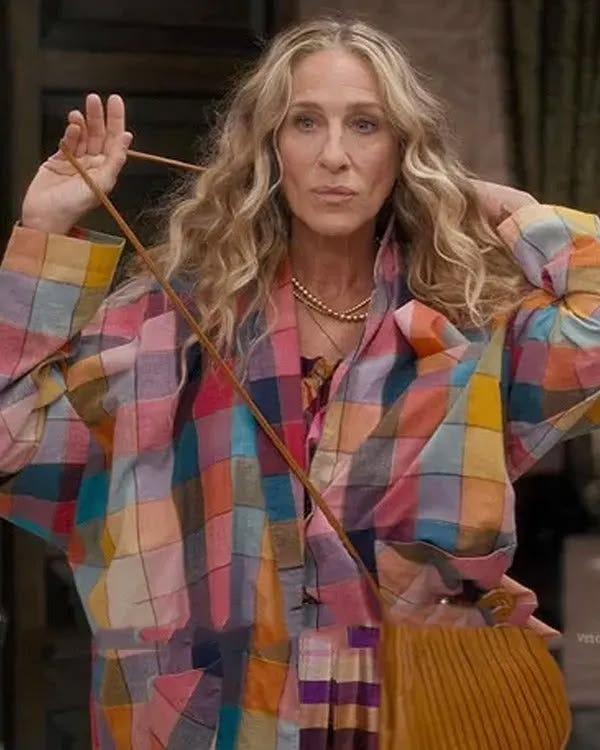
Oh, hello.
There is no version of me that doesn’t want to spend Saturday outside, in a field, picking through other people’s discarded everything in search of the one thing that has a story. That’s the whole pitch. Sun on your shoulders, dust on your Newbies, six fields and a mile of Route 20, and the kind of looking that turns into finding only when you stop trying so hard. Brimfield this weekend was a stunner. Given the choice between most things and that, I will choose that.
And get this: I didn’t document it. I was having too much fun to take pics, which I realize is the cardinal sin of writing a Substack about a thing, but there it is. You’ll have to take my word for it, or come with us next time.
I didn’t just shop however. I spotted. Old habit, can’t shake it. In a previous life, I worked for a very well-known trend forecaster, and the pattern-recognition brain never really turns off. And with my little trend spotter eye, I clocked it: Caddycore.
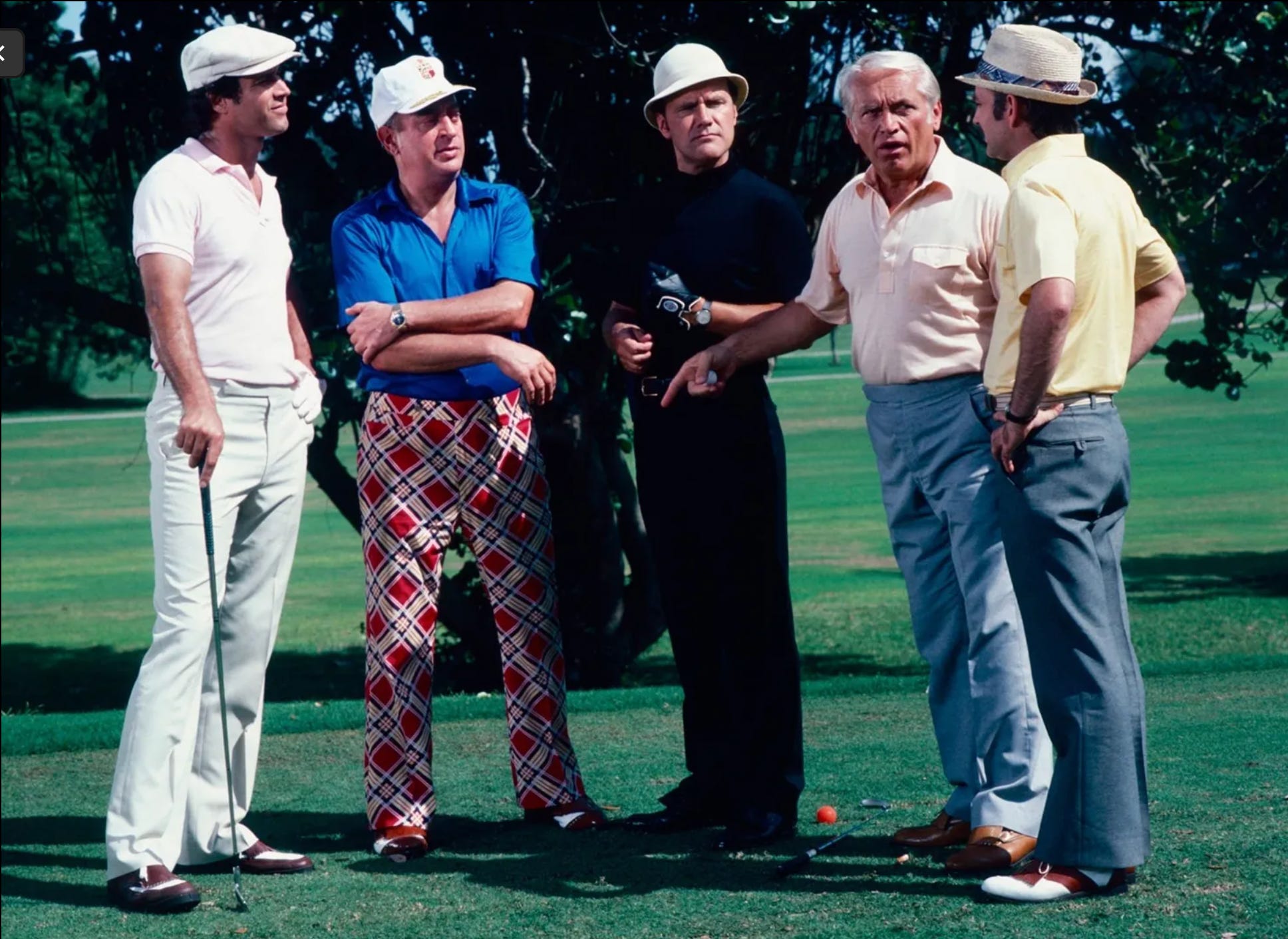
Yes, like Caddyshack. Yes, I’m naming it. Stay with me.
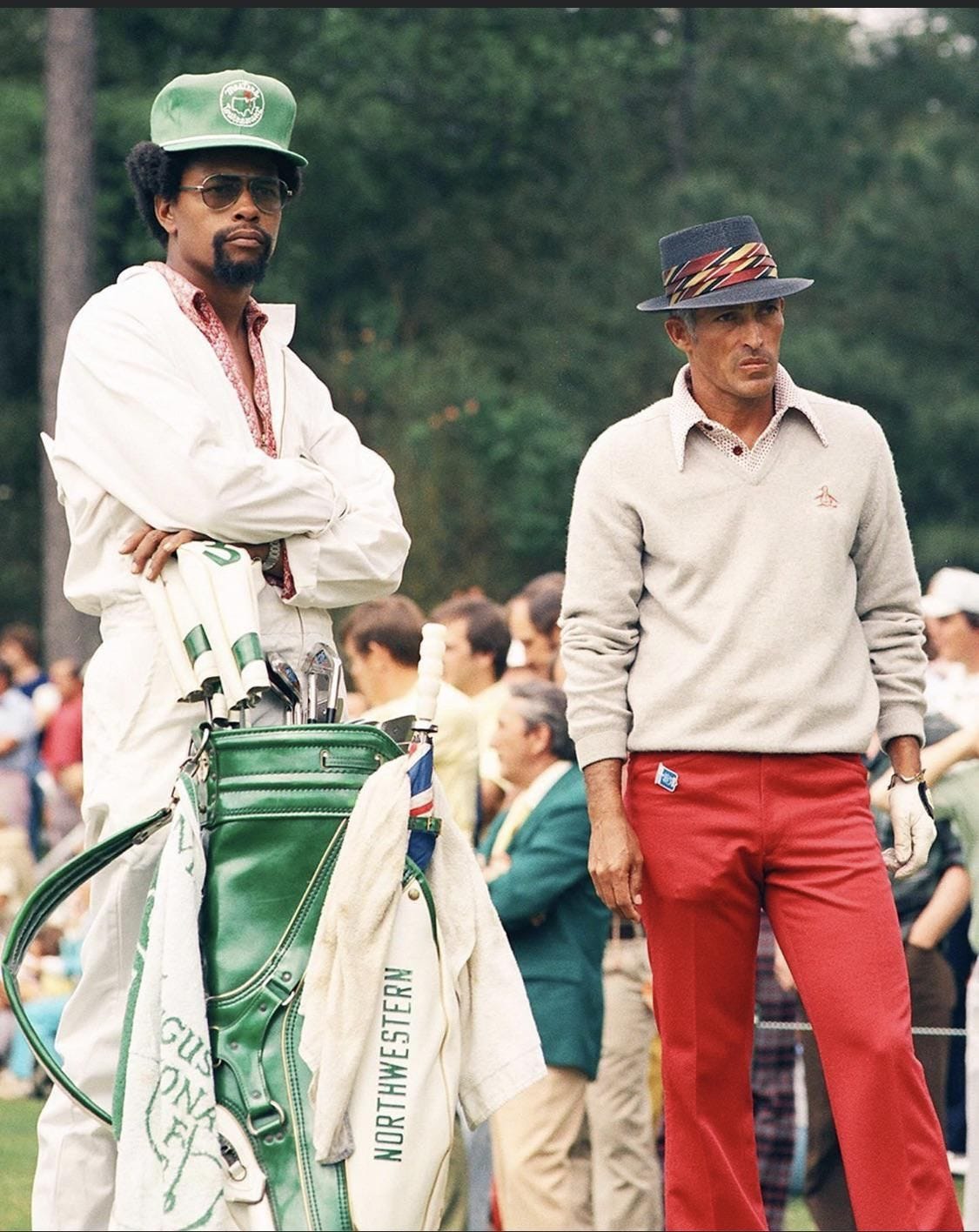
The setup
Golf has been creeping for a while now and it’s not subtle anymore. Within the broader preppy revival, sporty prep is moving especially fast, think country club sports instead of gym culture. Tennis. Rowing. Golf. Tory Burch showed golf dresses and pick-stitched cardigans for spring. Prada and Miu Miu are back in plaid. Pinterest reported absolutely unhinged increases in searches for “preppy outfits” and “preppy vibes,” although trend-data percentages are always a little insane because they usually come off tiny baselines. Still, the direction is obvious. The trend has legs, as they say in the industry, and they are sock-clad legs in retro tube socks.
So when I got to Brimfield, I wasn’t surprised to see it. I was just surprised by how much. And specifically, by how much madras.
Vast collections of it. Tablefuls. Racks. Patchwork shorts and Bermuda-length pants and ribboned bucket hats and golf shirts in colors I have not seen on a human in three decades. My friend scored a pair of Sportmax plaid pants that were tragically too tiny for my waist but oh-so-right for hers. There were golf shirts. There were preppy-fun things that read as very Rodney Dangerfield meets Ted Knight, which is the vibe I’m pitching for summer. The grumbling slob and the wound-too-tight WASP, in conversation. A whole mood. Bushwood Country Club, but make it ironic.
And FYI: the menswear is where the best of it is. Always. Bigger sizes, better fabrics, more of it, fewer people fighting over it. The trick is to size up and cinch.
A note on what I came home wanting
Just for the record, here’s what was making me feral on Etsy when I got back:


These 1960s madras cotton capri pants and these ones too
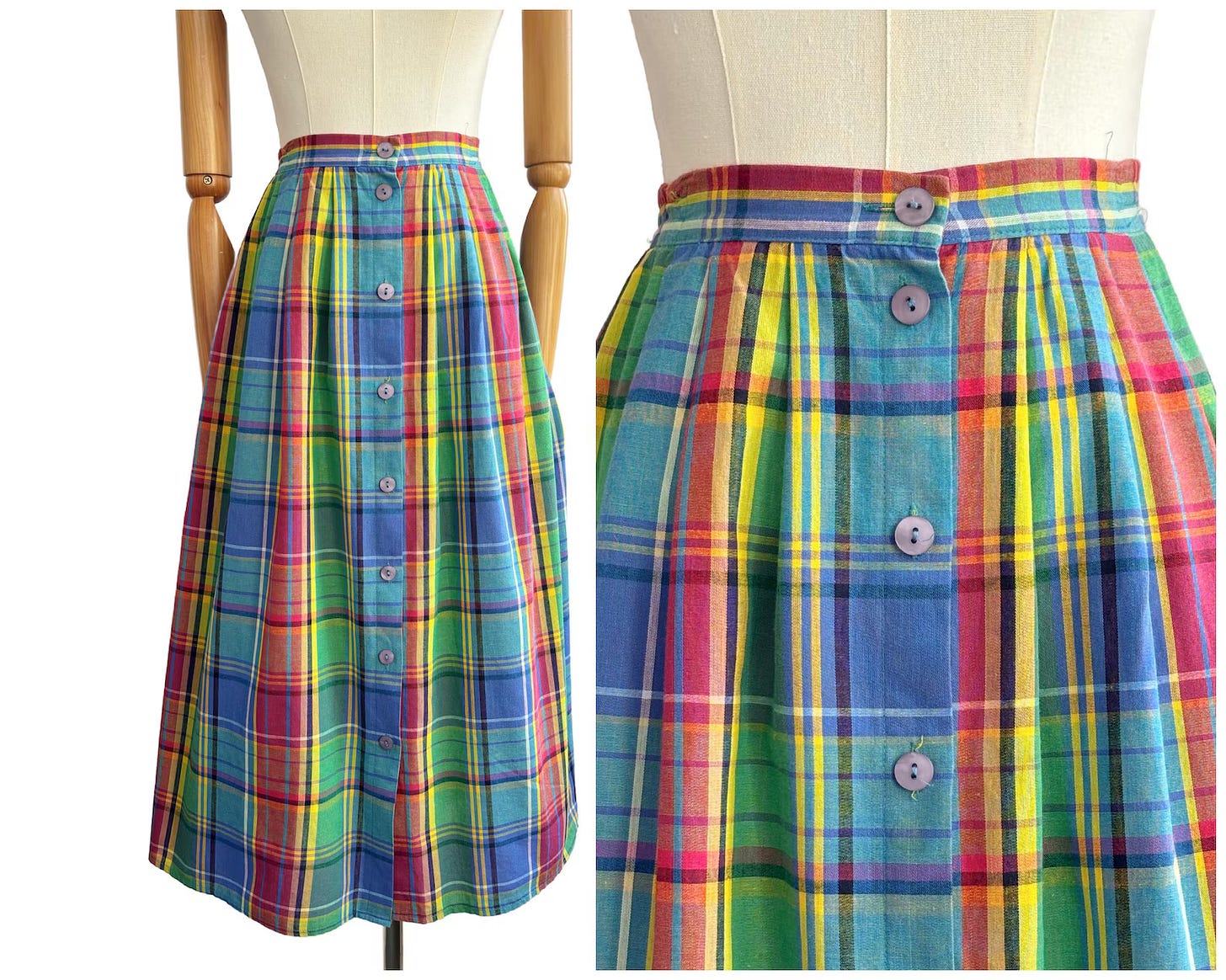
This 1980s madras check, the colorway, come on
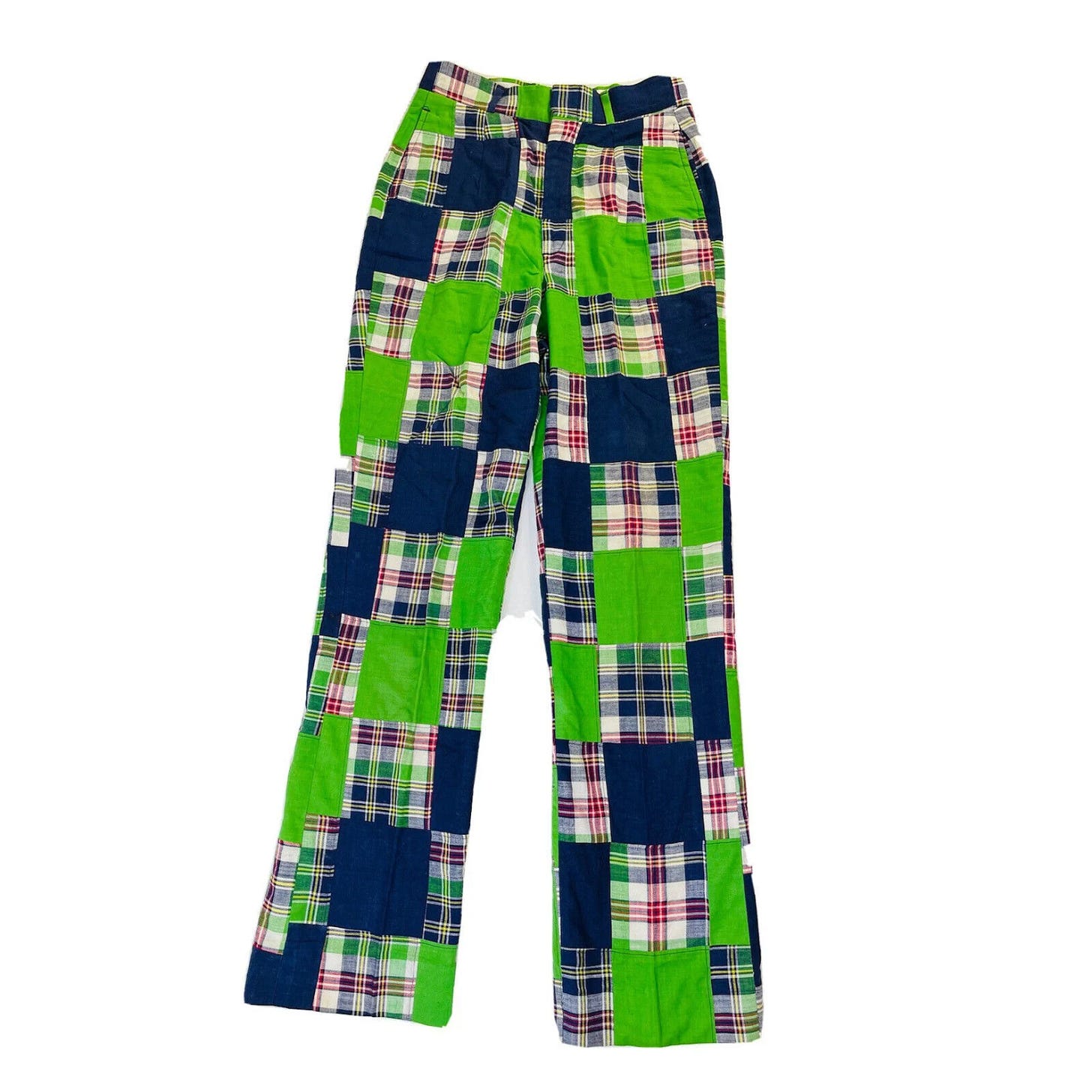
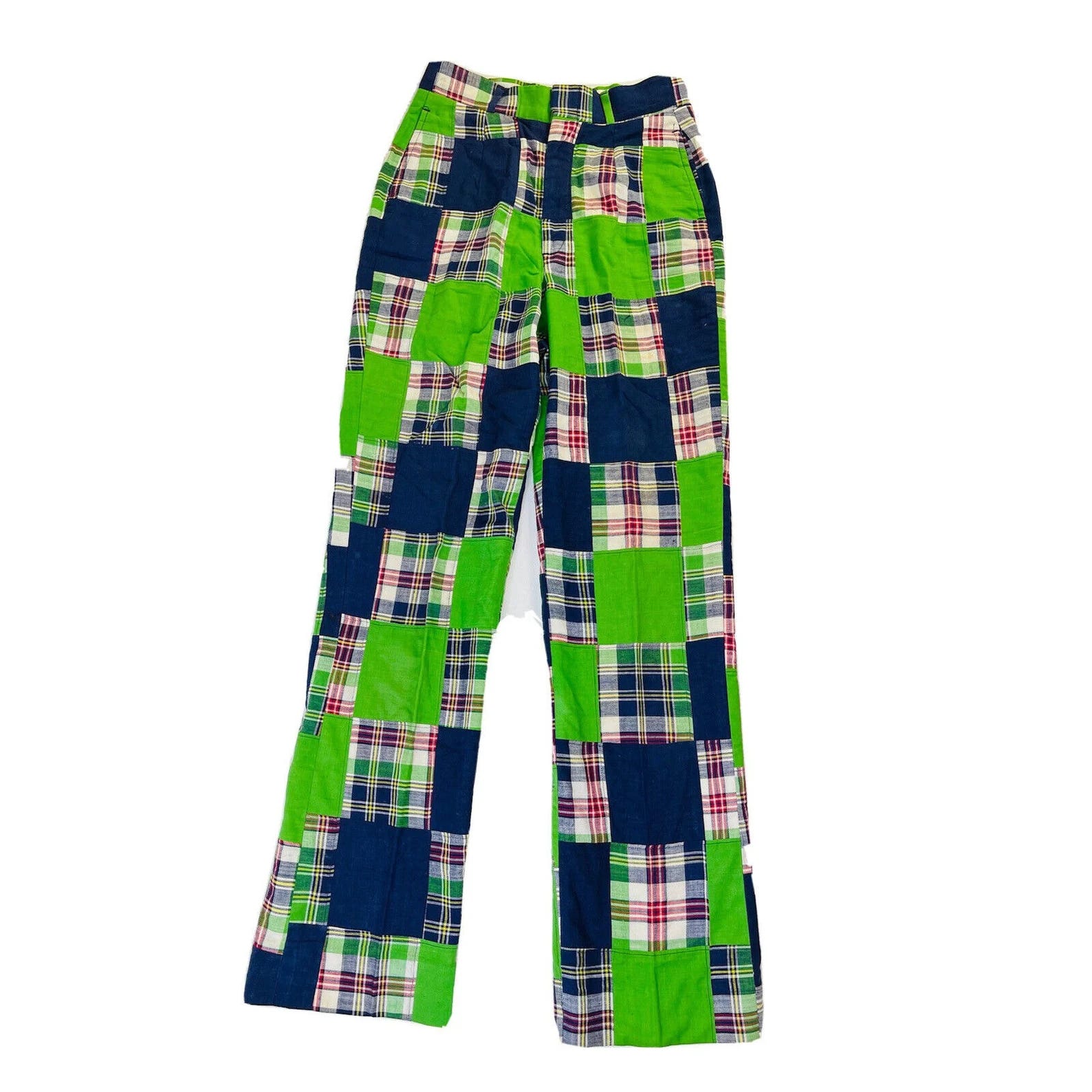
These 1970s patchwork plaid pants, killer but also very tiny.
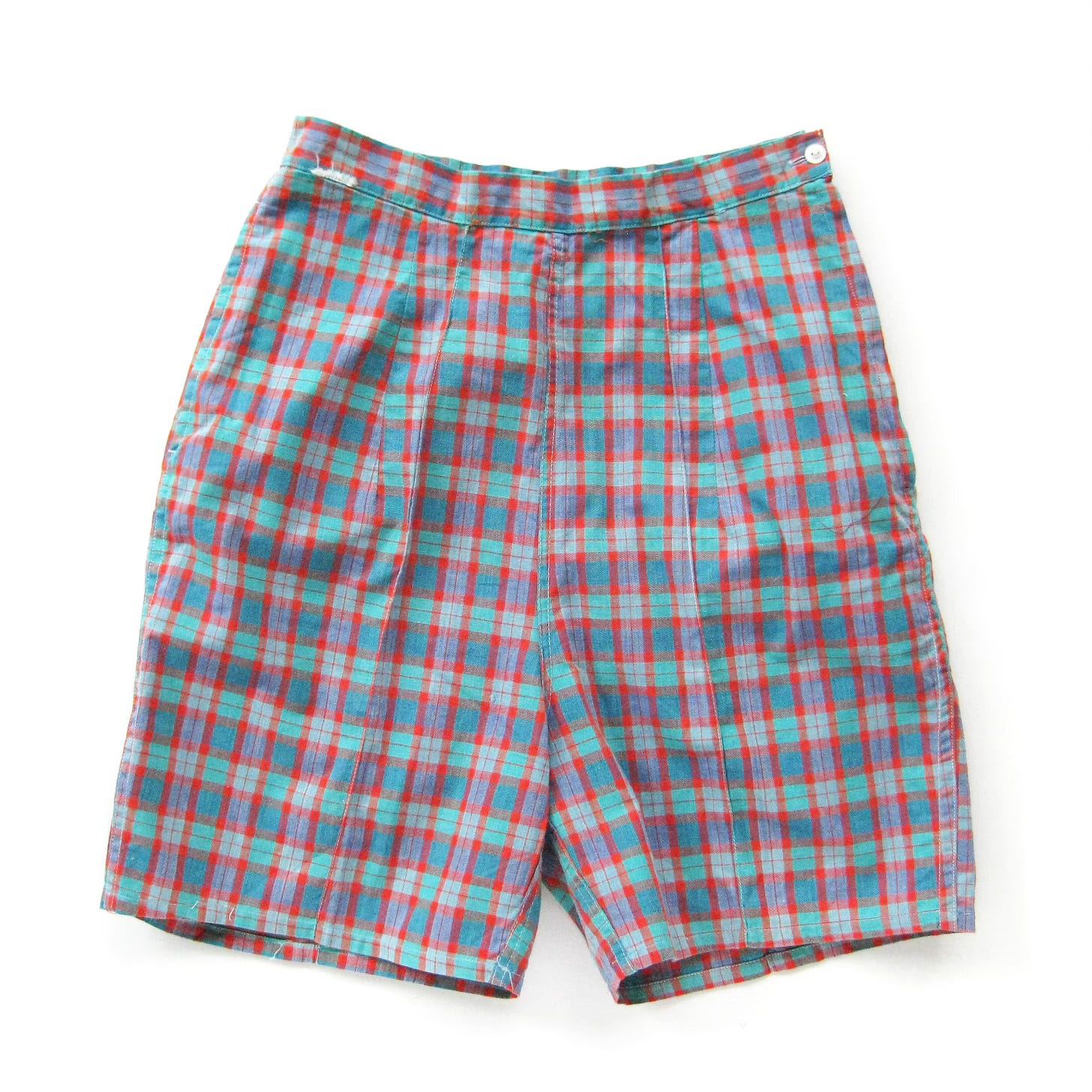
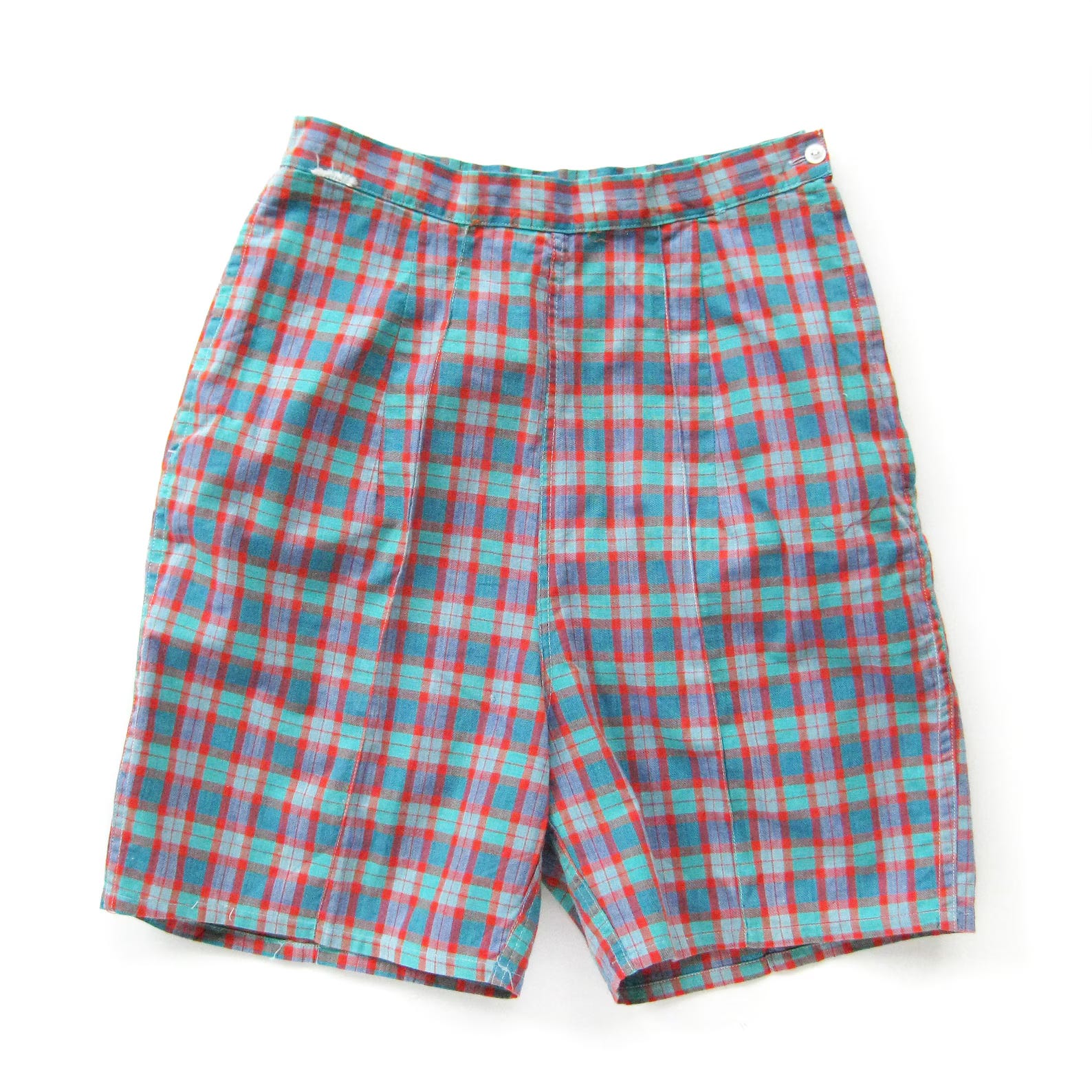
These 1950s madras bermuda shortsX
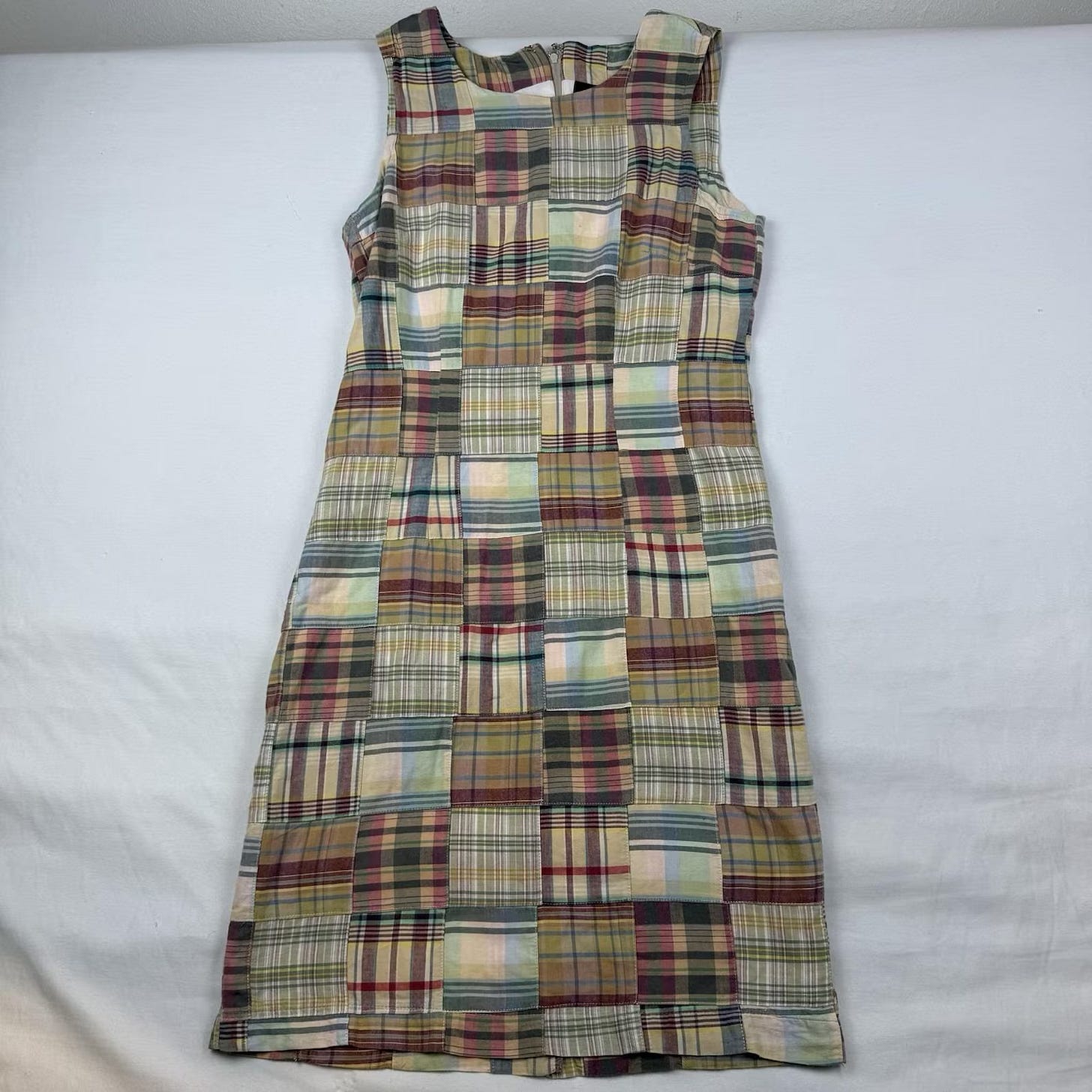
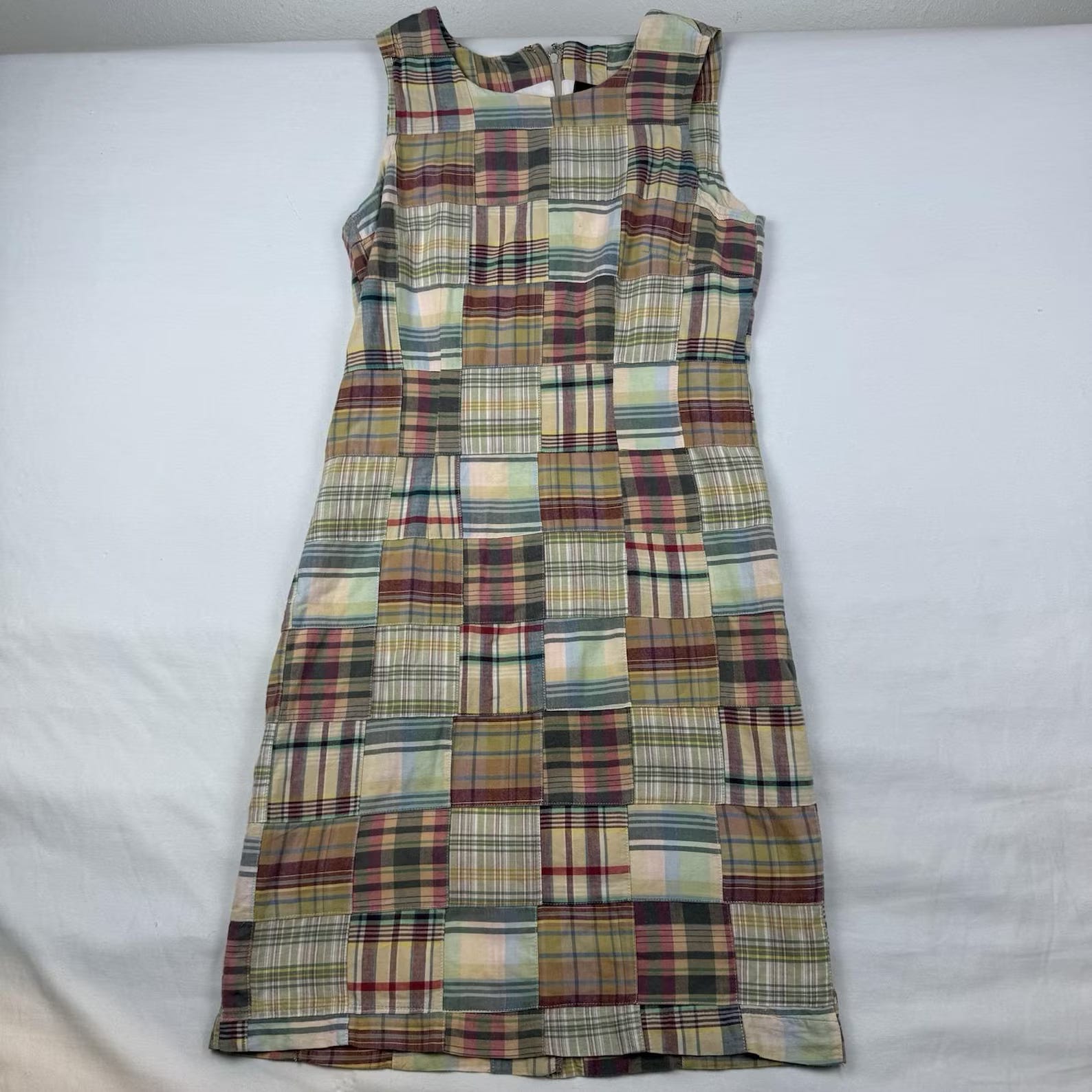
This Willi Smith patchwork dress. Willi forever.
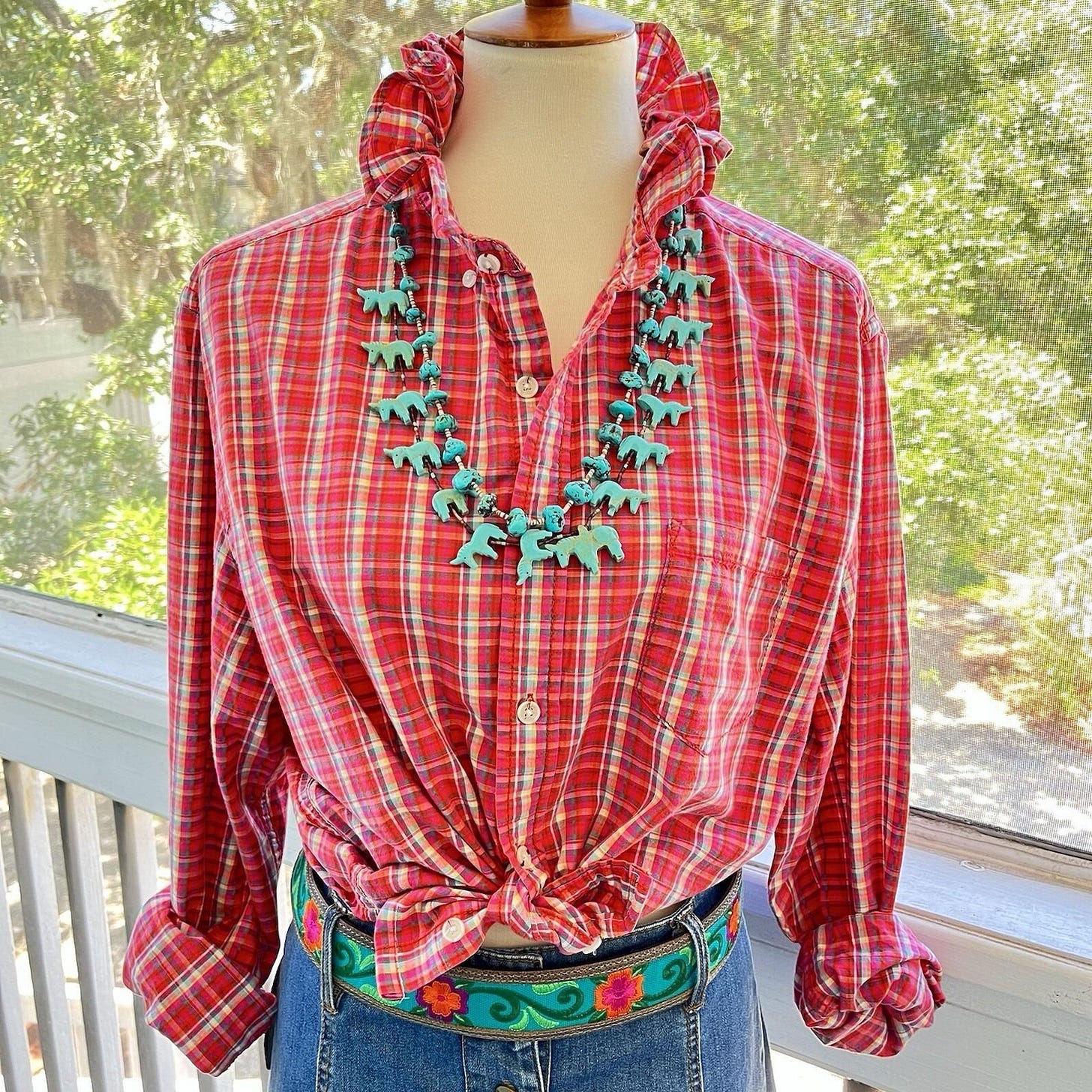
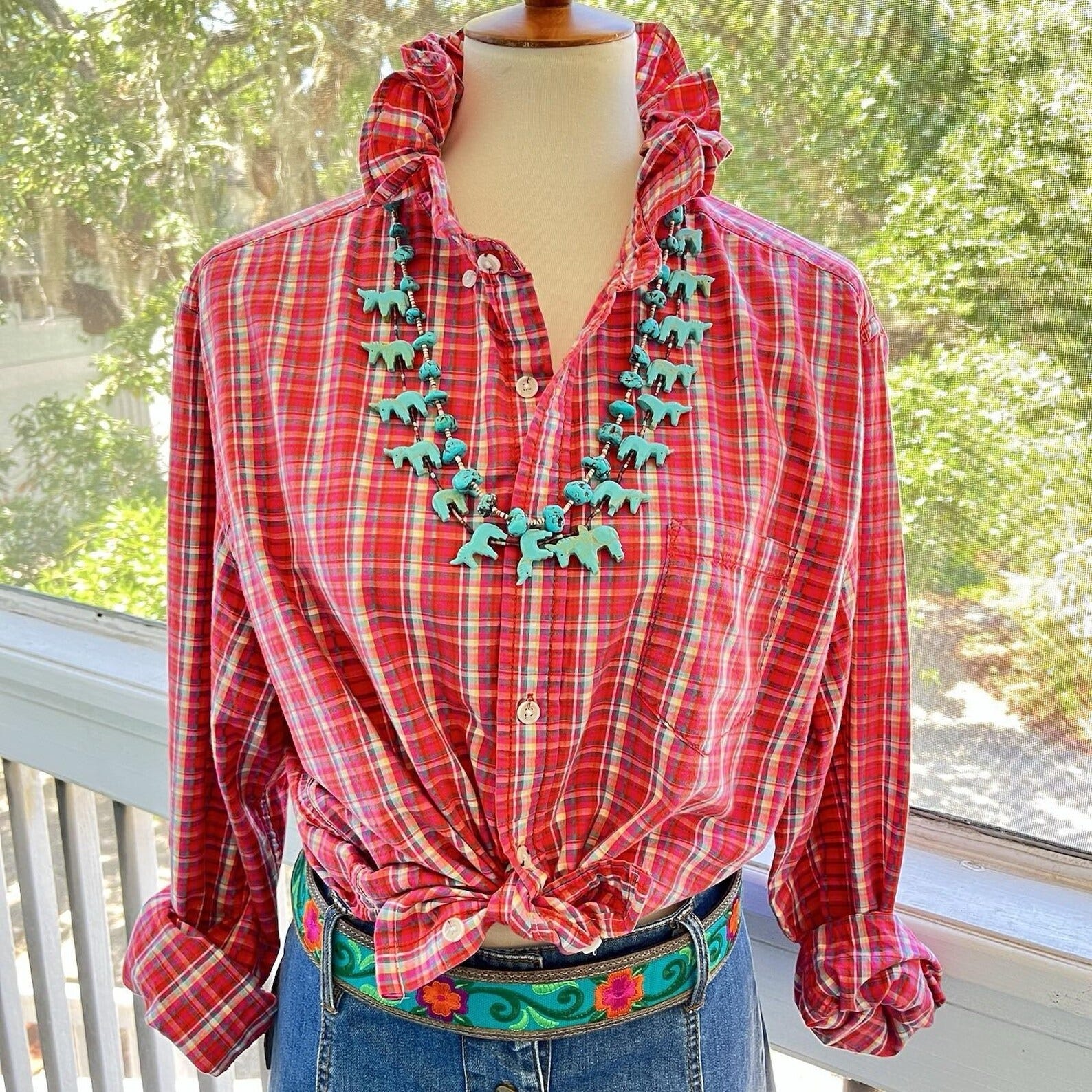
An upcycled Life After Denim shirt styled over a maillot, which is making me consider things.
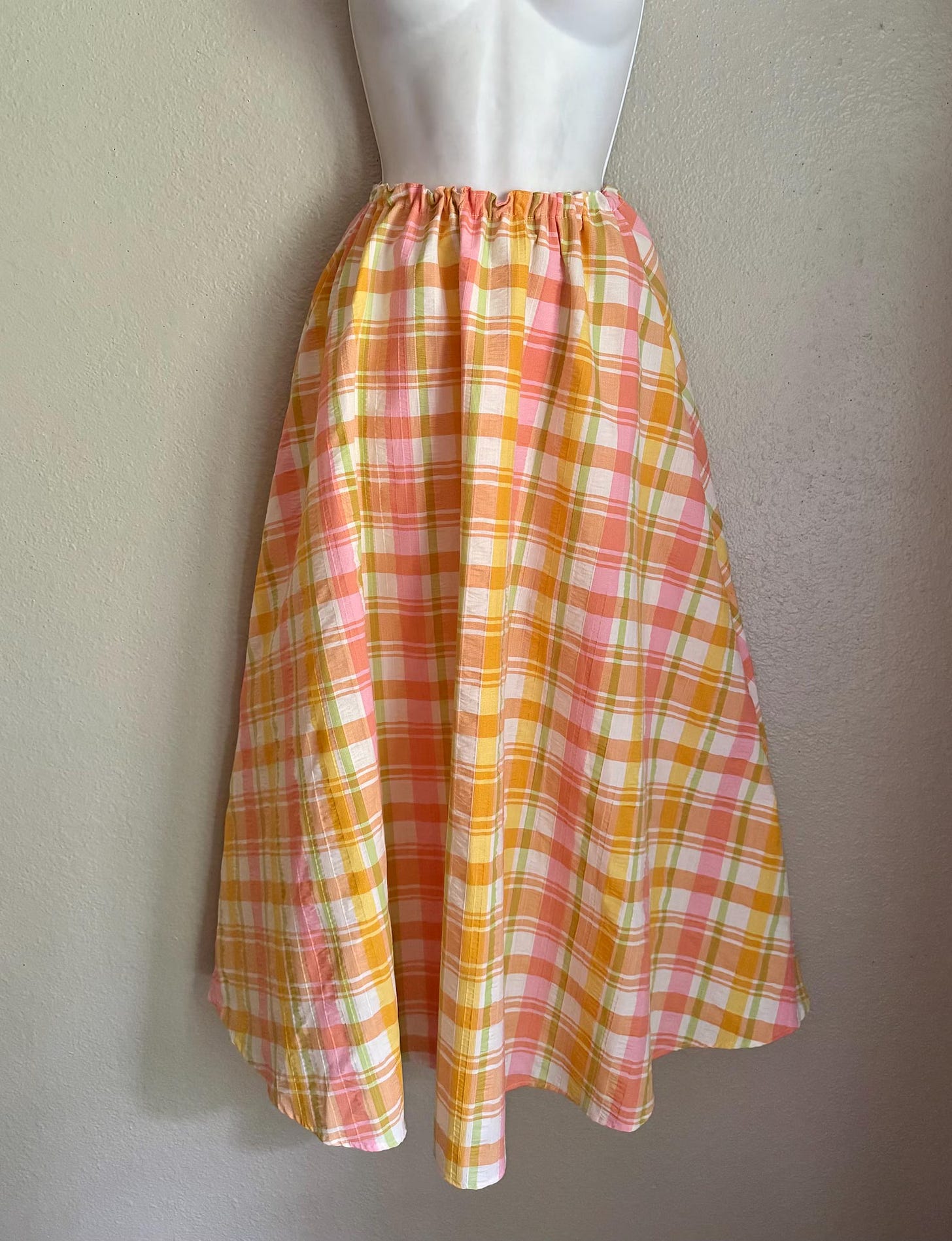
This 1970s A-line madras skirt, the colors are perfect.
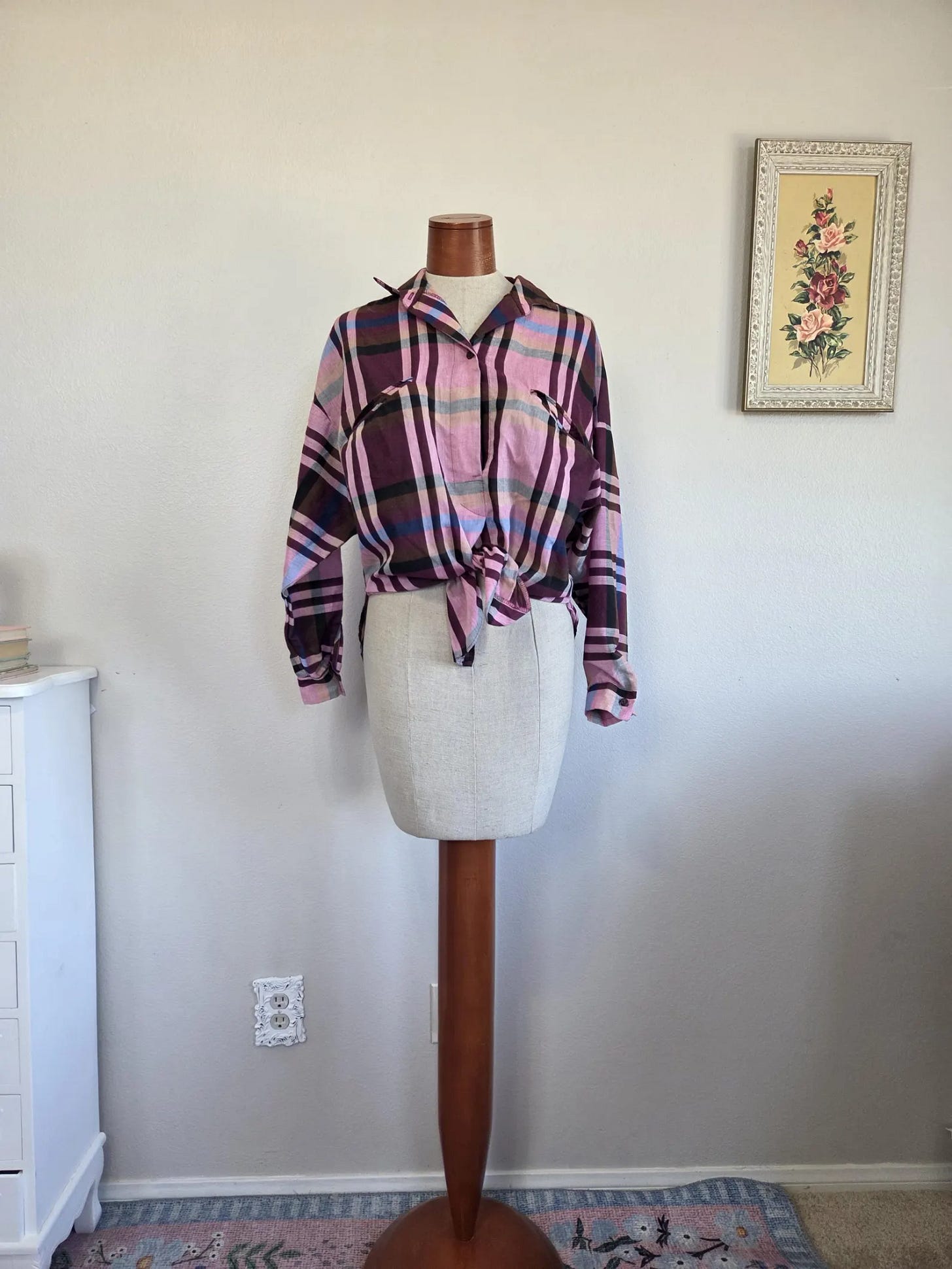
This shirt has a great vibe to it and would look cool with white pants.
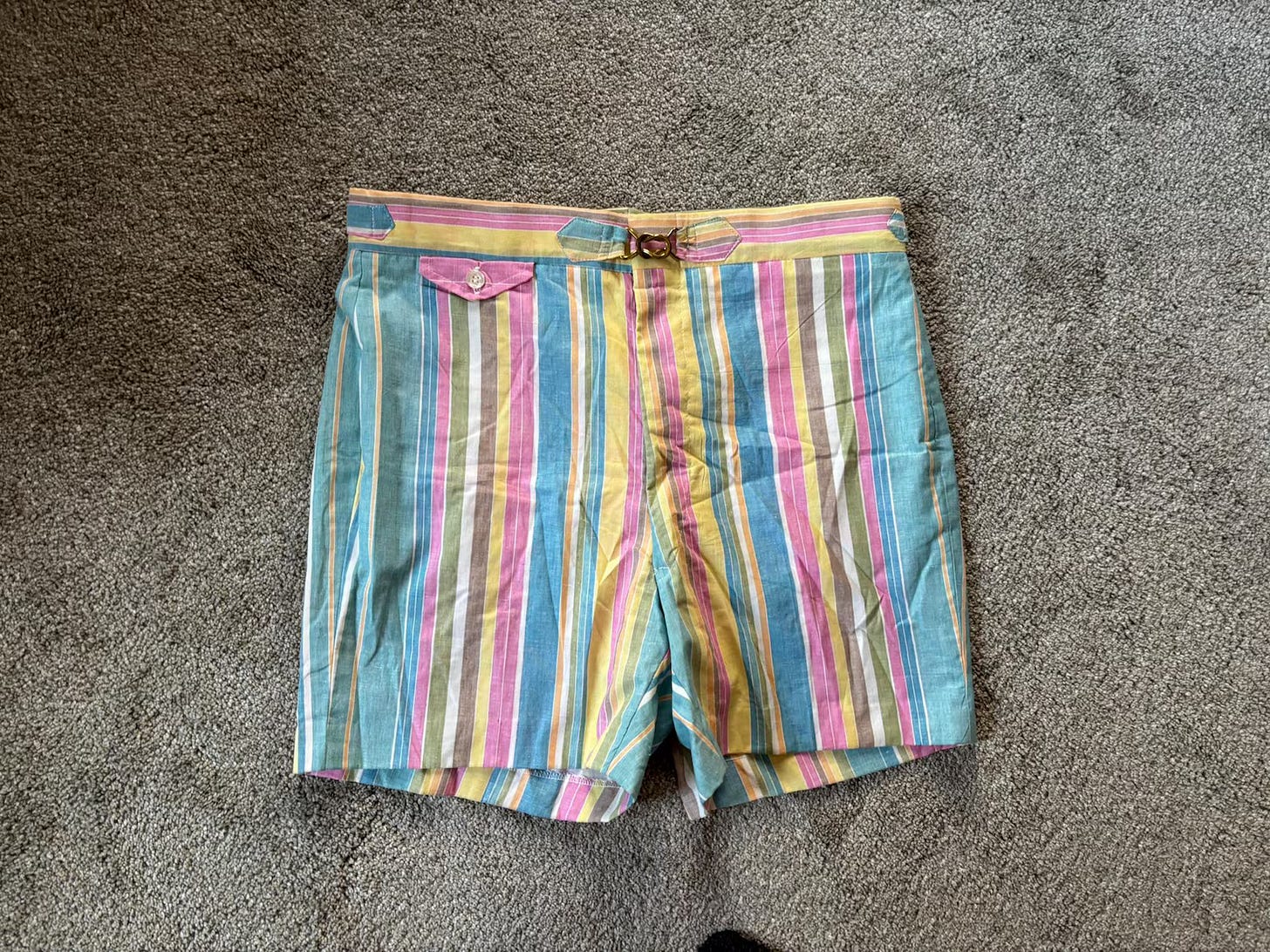
These pastel shorts are so good. Would be lovely with a white tank or tee and a scoop of mint chocolate chip ice cream.
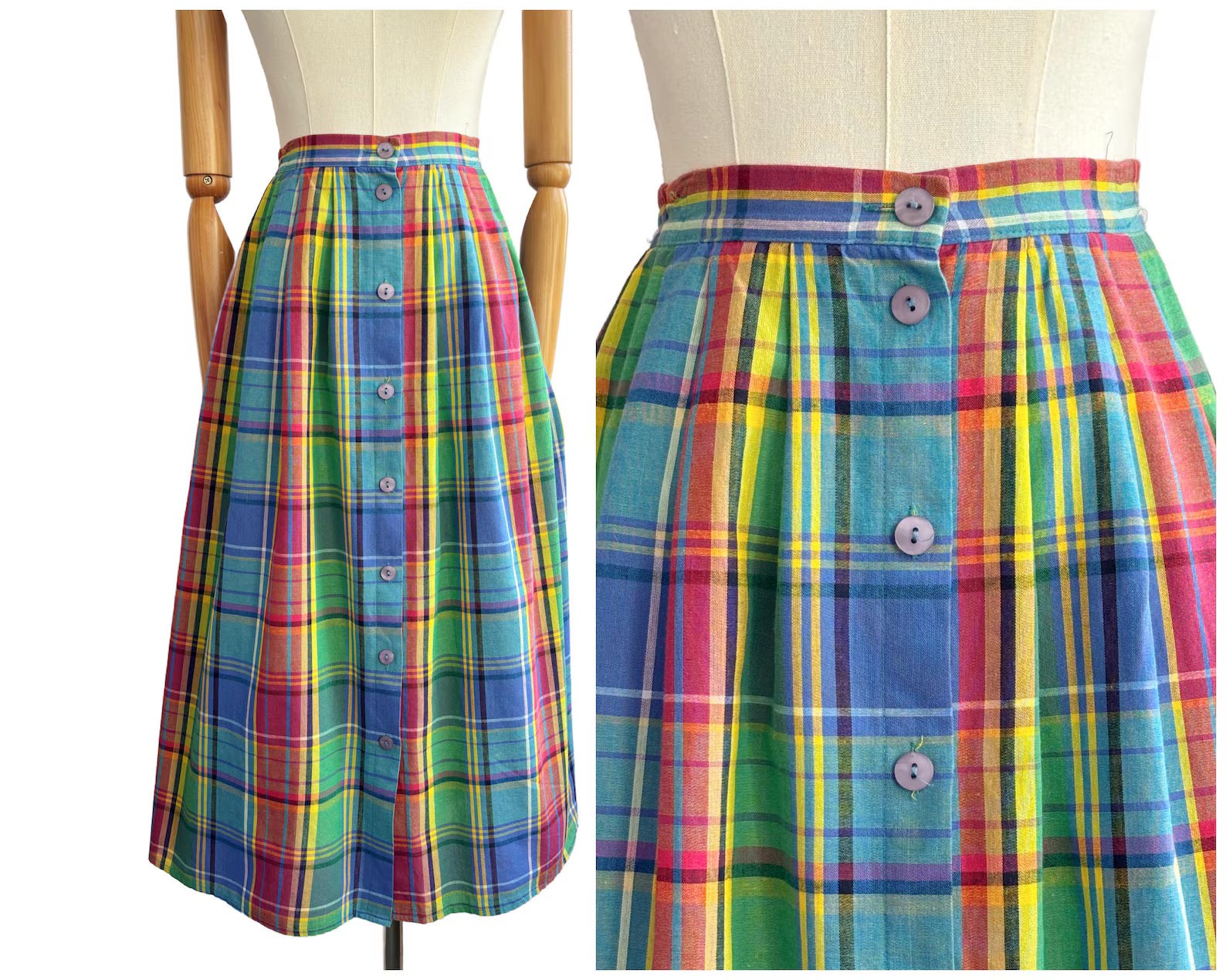
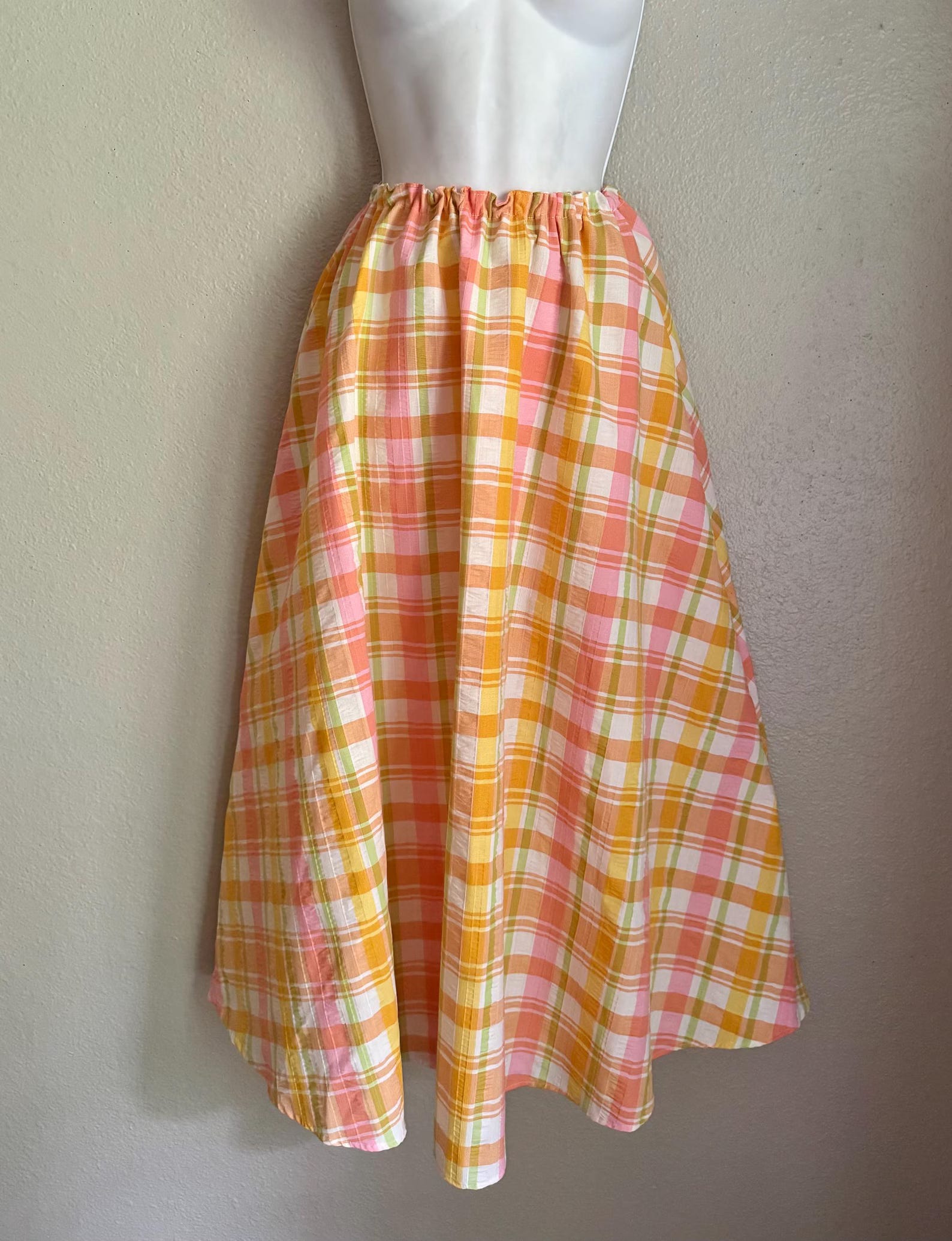
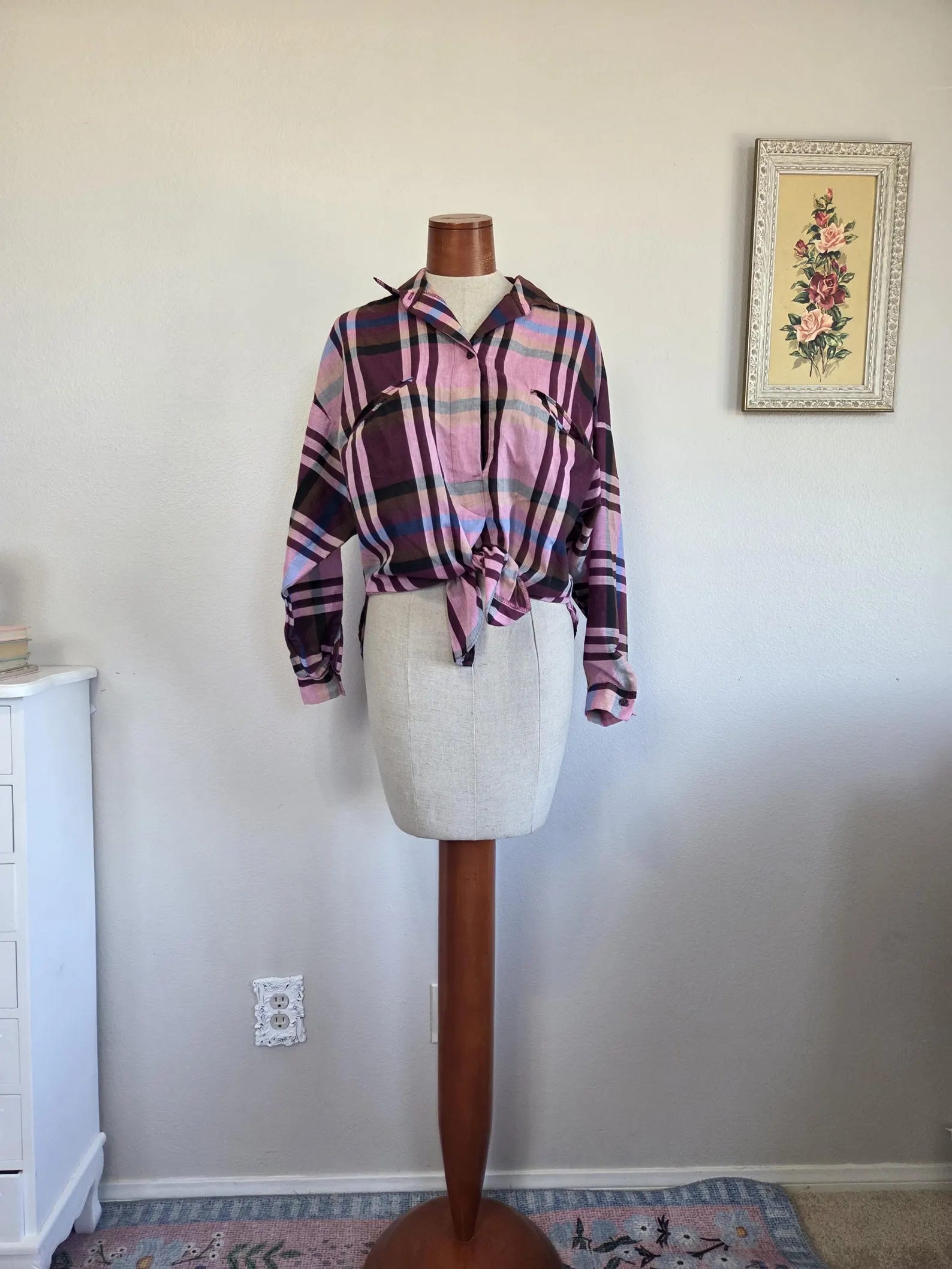
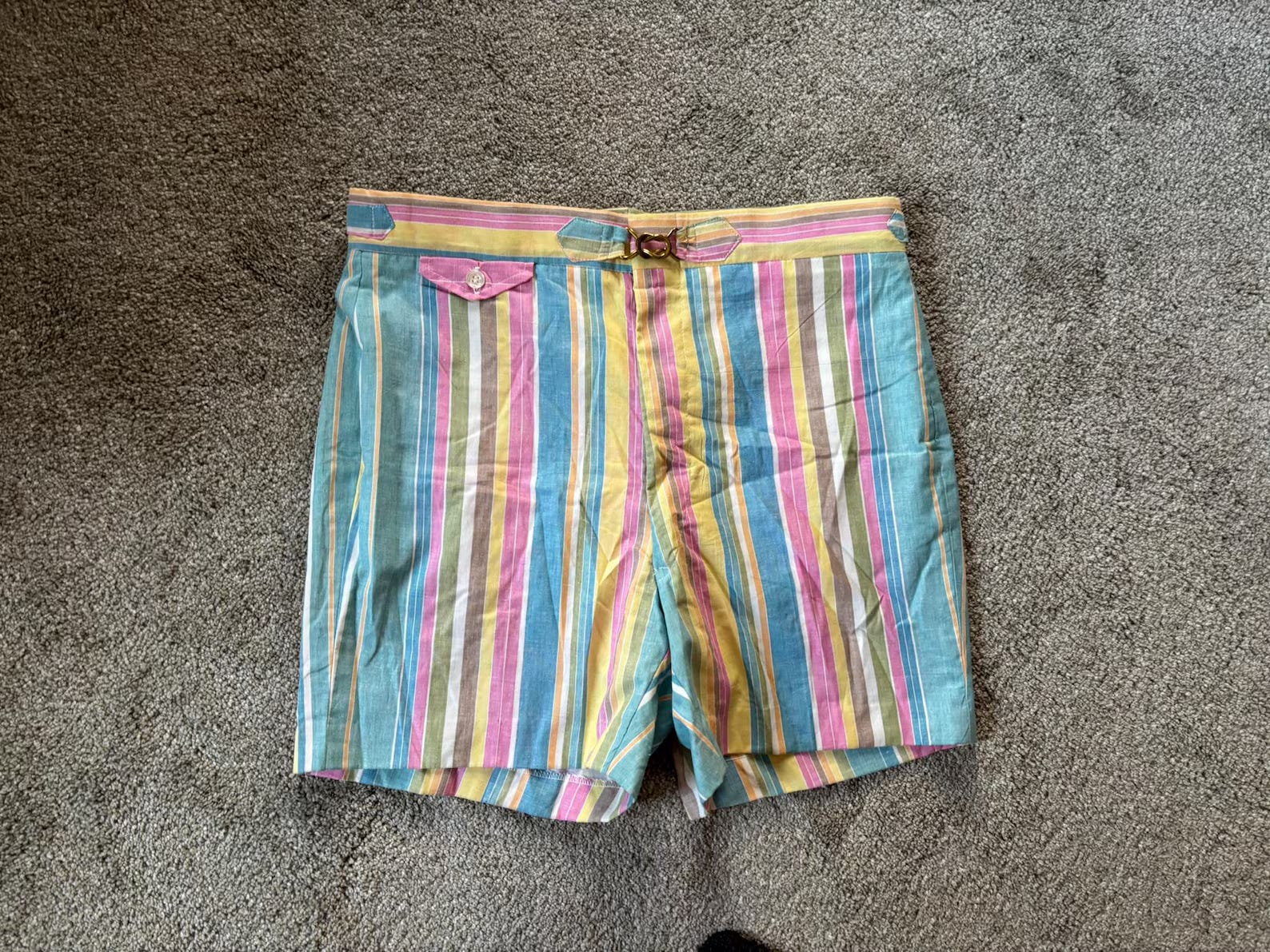
Vintage. Always vintage. We’ll come back to that.
Quick history (because madras has one)
Here’s the thing about madras that the country club crowd would rather you didn’t dwell on: it’s not theirs. The colorful plaid cotton has humble origins, far from Martha’s Vineyard or the hallways of Yale, in Chennai, India, the coastal city it takes its name from, known as Madras during British rule. It was originally worn by Indian laborers. And the journey from there to here is not a sweet one. Portuguese merchants were trading madras out of India as far back as the 13th century, and by the colonial period it had become one of the major currencies of the trans-Atlantic slave trade. Indian cotton was, very literally, exchanged for enslaved people on the West African coast. The fabric came to the Caribbean and the Americas on slave ships, and enslaved Black women in the Caribbean and New Orleans wore brilliantly colored madras headwraps in defiance of sumptuary laws that demanded plainness as a sign of inferiority. The fabric we now associate with someone's dad's boat shoes was a tool of resistance, fashion as refusal, long before it was a tool of belonging.Cotton plaid madras reached America in 1718 as a donation to the Collegiate School of Connecticut, now Yale University, and Sears offered the first madras shirt for sale to American consumers in its 1897 catalog. So it was kicking around.
But the thing that locked madras into the preppy shorthand we know now was a fuck-up. In 1958, American textile importer William Jacobson struck a dollar-a-yard deal for 10,000 yards of madras, all of which Brooks Brothers scooped up and tailored into sporty jackets. Jacobson forgot to tell Brooks Brothers the fabric would bleed, and when customers washed it without proper care instructions, all hell broke loose. Lawsuits incoming. Disaster. Enter David Ogilvy, one of New York’s original “Mad Men,” who coined the tagline “Guaranteed to Bleed,” spinning the flaw into a selling point, followed by an eight-page advertorial in Seventeen magazine on the “miracle handwoven fabric from India”.
A defect, sold as a feature. The most American story I’ve ever heard.
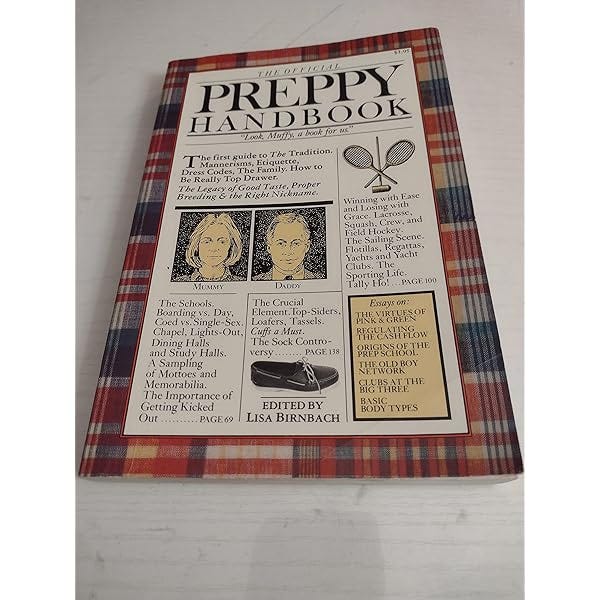
After that, madras was everywhere. It became associated with Ivy League schools, vacation, the Caribbean, and then domestic locales like the Hamptons, Newport, and Palm Beach, fashioned into shirts, pants, shorts, blazers, watchbands, ties. Lisa Birnbach’s Official Preppy Handbook in 1980 introduced the rest of the country to it, and the rest is the cover of every catalog you got in the mail growing up. The whole arc — Chennai weavers, colonial trade routes, a washing machine mishap, an ad campaign — and we get J. Press shorts in melon. History is wild.
